Friday, November 30, 2007

BONIFACIO DAY IN MANILA
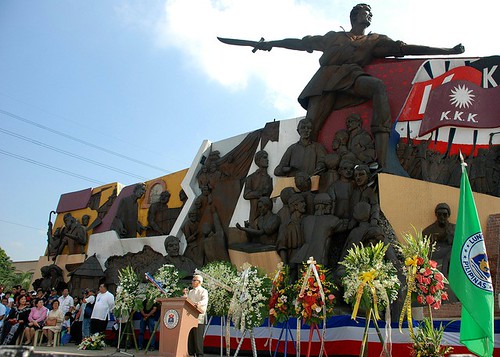

The City of Manila celebrated today the 144th Birth Anniversary of Gat Andres Bonifacio at the Bonifacio Shrine beside Manila City Hall. It was highlighted by a commemorative program led by Mayor Alfredo Lim.

There were wreath offerings by several dignitaries such as Senator Manny Villar, Gemma Cruz Araneta, Emelita Almosara and Nenita Distrito, a Bonifacio descendant.

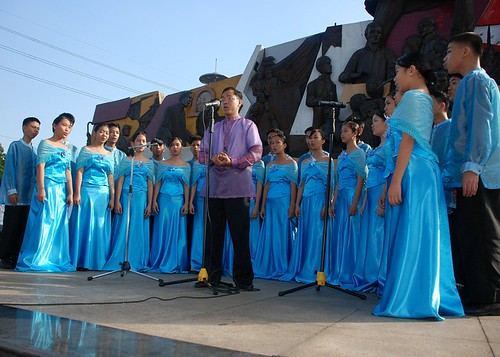
A moment of prayer was led by Michael Dela Pena who was accompanied by the Ramon Magsaysay High School Chorale. A cultural tableau of Bonifacio's life was presented and performed by the students of Florentino Torres High School and Lakandula High School.

Senator Villar, a Tondo native, provided the keynote address. Right after his impassioned speech warmly received by the audience, Mayor Lim announced that he will spearhead the changing of the names of The City College of Manila and Universidad de Manila to Pamantasang Bonifacio.

Moreover, the mayor acknowledged our modern day heroes; that is, the volunteer firemen from the various firefighting groups. They're the men from various organizations such as the Association of Volunteer Fire Chiefs & Fire Fighters of the Philippines, Association of Philippine Fire Brigade, and Fire Brigades & Communication Groups, Inc.

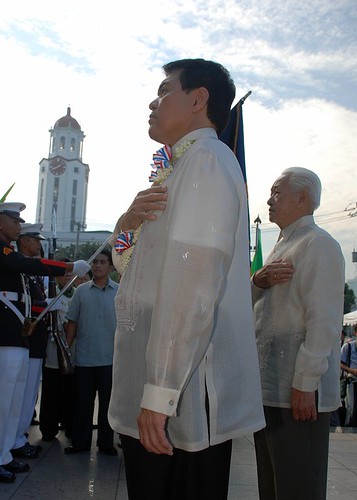
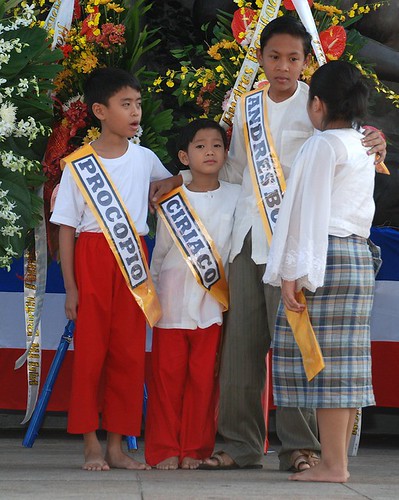





Mayor Lim and Gemma Cruz Araneta with the Bonifacio descendants.


*


posted by Señor Enrique at 9:02 PM | 21 comments


Thursday, November 29, 2007

GAT ANDRES BONIFACIO

Andres Bonifacio, the founder and organizer of the Katipunan, was born in the Tondo district of Manila on November 30, 1863 to a Tagalog father, Santiago Bonifacio and a Spanish mestiza mother, Catalina de Castro. He had three brothers and two sisters: Ciriaco, Procopio, Espiridiona, Troadio and Maxima.

Fate may have deprived him the opportunity to pursue a formal education, but he was gifted with a beautiful penmanship, talent in craftsmanship and love for books.

Andres was forced to give up his schooling when his parents died so he could shoulder the burden as being the family's breadwinner. The canes and paper fans that he peddled, including the posters he created for the local merchants, earned him just enough money to make ends meet at home.


Late in his teens, he was hired as a messenger clerk in the commercial firm of Fleming and Company, a British commercial firm where he learned the rudiments of the English language. His diligence and hard work soon rewarded him with a promotion as the company's agent in which he sold rattan, tar and various other products. Later, to further increase his earnings, he transferred to a German firm, Fressell and Company, which provided him with a more substantial salary as its agent.

And whatever free time he had, he indulged in self-study. Some of the books he read were the two novels by Rizal, The Ruins of Palmyra, Les Miserables by Victor Hugo, The Wandering Jew, by Eugene Sue, the lives of the Presidents of the United States, International Law, the Penal and Civil Codes, some novels and a book on the French Revolution, which must have been fascinating for him because of its proletariat leadership and great success.

His first marriage was short-lived, for his wife, Monica, died of leprosy. In 1892, he met Gregoria de Jesus, and after several months of courtship, they were wed in Binondo Church. They were also remarried according to the Katipunan rites. After the ceremony, Gregoria was initiated into the Women's Chapter of the Katipunan. She chose Lakangbini (Muse) as her symbolic name. Her role in the Katipunan was taking custody of its papers, revolvers, seals, and other paraphernalia.

It was on July 7, 1982 when Rizal was arrested to be exiled in Dapitan that Bonifacio, Ladislao Diwa, Teodoro Plata, and Deodato Arellano founded the Katipunan. And although the secret society's founder, Bonifacio did not insist to become its president. He was cognizant of his limitations and recognized the worth of others. However, it was only after discovering that the first two presidents lacked the enthusiasm and seriousness in their duties as expected of them that he took over the helm. He also authored numerous articles and poems in the course of the revolution.

Unfortunately, Bonifacio lost all his battles during the revolution which led to heavy casualties and massacres. The revolutionaries in Cavite had better success, led by officers which included Emilio Aguinaldo. Consequently, they sent out a manifesto calling for a revolutionary government of their own that totally undermined Bonifacio's leadership.

Nonetheless, a convention was held in Tenejeros, Cavite to establish a unified front and to vote for a true leader of the revolutionary movement. It was attended by Bonifacio and some of his men and by the members of two locally-based rival Katipunan factions -- Magdalo and the Magdiwang. The former was headed by Emilio Aginaldo's cousin, Baldomero Aguinaldo.

Overwhelmed by the presence of numerous Caviteno delegates and lacking a power base in the province, Bonifacio was relegated a mere Director of the Interior, while Emilio Aguinaldo was elected President. The slighted Bonifacio then invoked his authority as Supremo and declared the results of the Tejeros Convention as null and void and left incensed.


It is believed that Bonifacio headed towards Batangas to lead another Katipunan faction in order to establish his own government. The Magdalo group subsequently got wind of it. Fearing the existence of a rival government in times of the revolution, Emilio Aguinaldo ordered for the arrest of Bonifacio and his brothers. Bonifacio and some members of his contingent were discovered by the Magdalo soldiers in the town of Indang, but refused to come out of the house peacefully when asked by the Magdalo men. A standoff ensued which lasted through the night.

At dawn, the Magdalo soldiers closed in and opened fire, but Bonifacio ordered his men not to shoot. The soldiers made their way in, tied up Procopio Bonifacio and beat him with a revolver. Ciracio Bonifacio, on the other hand, was held down by two soldiers and shot to death. Andres Bonifacio was stabbed and beaten with a rifle butt. Andres and Procopio were then taken to Naic, charged with treason and sedition, and tried in a court headed by General Mariano Norel. Punishment for the brothers was death by firing squad.

Aguinaldo supposedly superseded this judgment and ordered the Supremo to be exiled and banished to Mt. Nagpatong instead. Major Lazaro Makapagal, along with four soldiers, was given orders to take the Bonifacio brothers to Mt. Nagpatong. A sealed envelope was also given to Makapagal with strict orders not to open it until they reached the mountains.

At Mt. Buntis, on May 10, 1892, Major Lazaro Makapagal opened the letter and read its contents aloud. The letter was an absolute directive for him to have Andres and Procopio executed by firing squad or he himself would be shot. It was signed by General Mariano Noriel. Upon Makapagal's order, his soldiers opened fire on the Bonifacio brothers. They were buried in a shallow grave covered with twigs and branches. Andres was only 34 years old.

An expedition conducted by one of these former Magdalo soldiers found the grave of Andrés Bonifacio in 1918. His remains were exhumed and placed in an urn at the Legislative Building, which is now the National Museum in Manila. The building, however, was obliterated during the carpet-bombing of Manila by the Americans in 1945. Bonifacio's remains are lost forever.


Related Link: BONIFACIO AND THE CRY OF BALINTAWAK


Additional Sources:
HISTORY OF THE FILIPINO PEOPLE
by Teodoro A. Agoncillo
Garotech Publishing

BONIFACIO'S BOLO
by Ambeth R. Ocampo
Anvil Publishing, Inc.

Top Photo:

The monument of Andres Bonifacio that became famous in time for commemorating the Cry of Balintawak. Created by sculptor Ramon Martinez, it was unveiled on September 3, 1911, in Balintawak, but it has since been transferred in front of Vizon's Hall in the University of The Philippines Diliman.

Bottom Photo:
The Bonifacio Shrine near Manila City Hall and Universidad de Manila


copyright 2007 - Senor Enrique - all rights reserved


*

posted by Señor Enrique at 6:40 AM | 28 comments


Wednesday, November 28, 2007

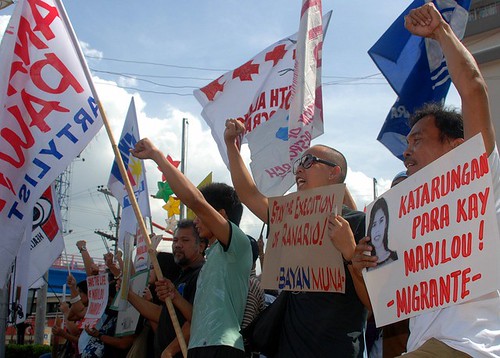
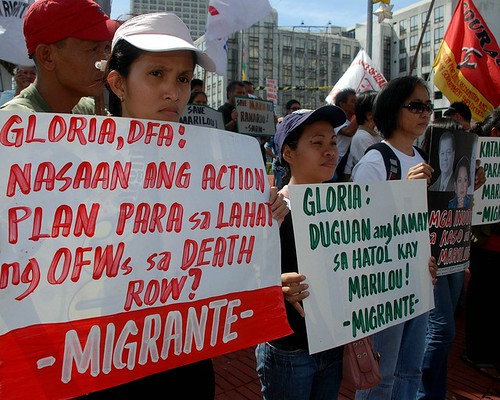
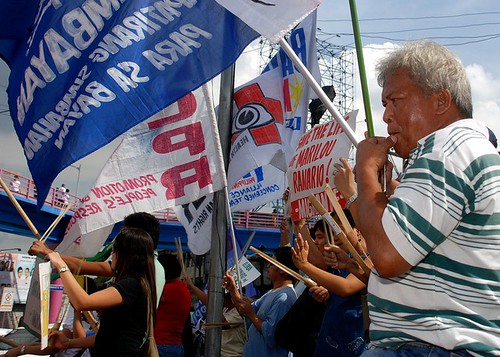
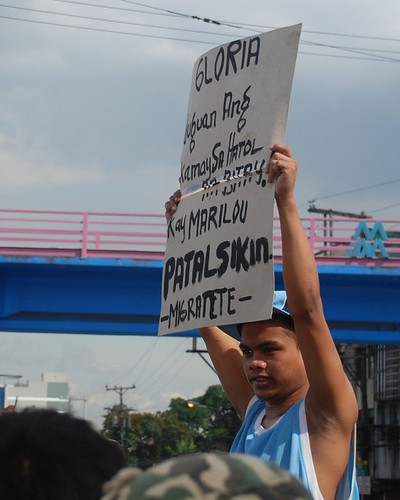
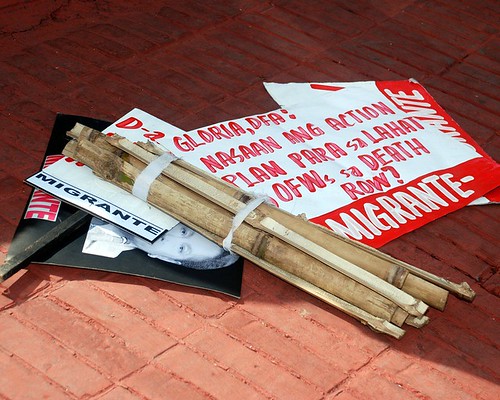
A RALLY TO SAVE THE LIFE OF MARILOU RENARIO
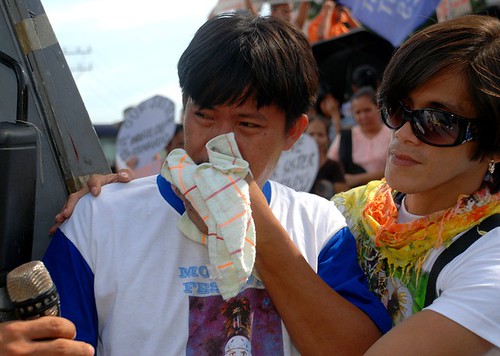

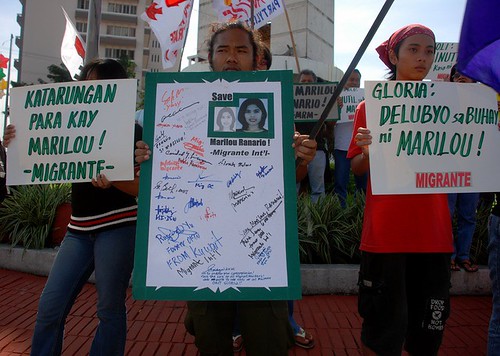
The brother of Marilou Renario, Allan, was overcame with tears at today's rally, hence unable to address the crowd of rallyists nor answer any question from the media. The rally, organized by Migrante International, was a call of support to save the life of Marilou, as well as a demand for the administration to expeditiously facilitate her pardon and release.

The death sentence by hanging on Marilou was upheld by the Kuwait supreme court yesterday, and it may be carried out within three months from the day of conviction unless the Emir grants a pardon.

Marilou is a 35-year-old former schoolteacher but was working as a maid in Kuwait when she was charged with murder for having killed her Kuwaiti employer on January 11, 2005.


Vice President Noli De Castro, meanwhile, was directed yesterday by President Arroyo to fly to Kuwait to hand her personal letter to the Emir Sheikh Sabah al-Ahmad al-Sabah. De Castro is expected to leave for Kuwait next week to deliver the president's appeal for clemency to spare Ranario from death.




*

posted by Señor Enrique at 4:45 PM | 25 comments


Tuesday, November 27, 2007

JIM ORENCIO AT BOSTON GALLERY
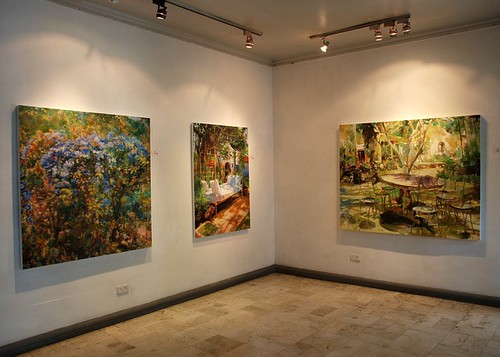

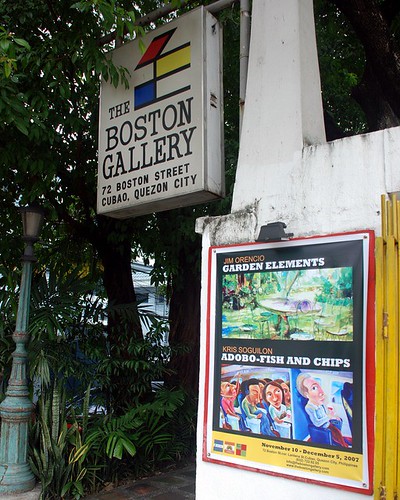
Garden Elements is the title of Jim Orecencio's 16th one-man exhibition of his recent paintings at Boston Gallery in Cubao, Quezon City.

As many of you know by now, I am one unable to articulate my thoughts or reactions regarding fine works of art so, don't expect a smart critique from me regarding this exhibit. All I have to say is that Jim's painting on the right, "Under The Shade," happens to be my favorite from this entire collection.

I suggest for those interested to see the exhibition to do so immediately, for it ends on the 28th of this November.


Telephone 722-9205


*

posted by Señor Enrique at 5:03 AM | 20 comments


Monday, November 26, 2007

AHPADA INTERNATIONAL ARTS & CRAFTS EXPO
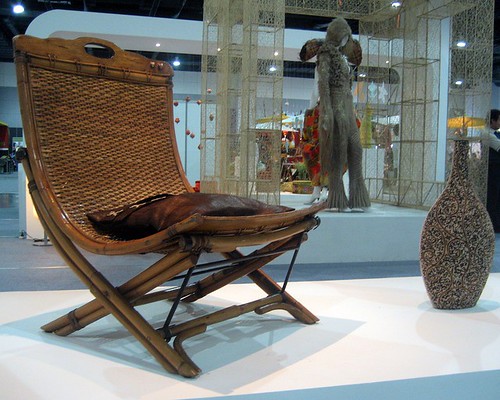

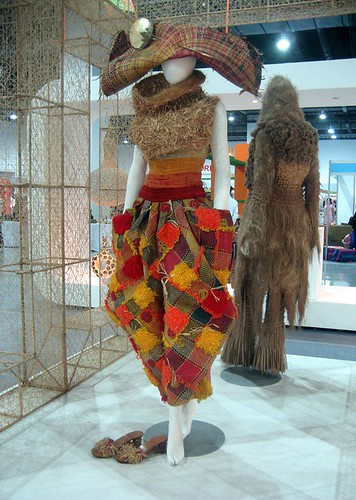
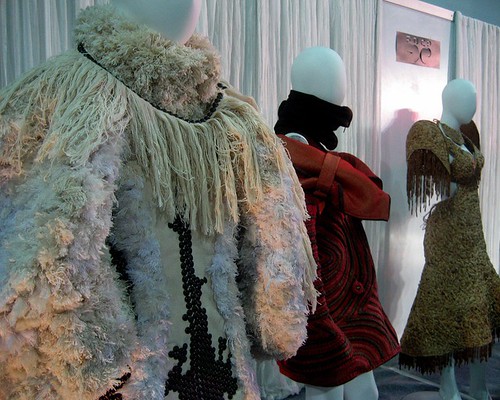
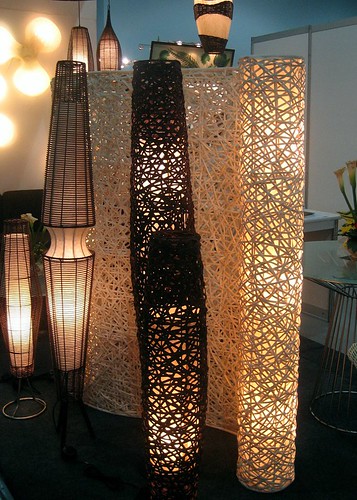
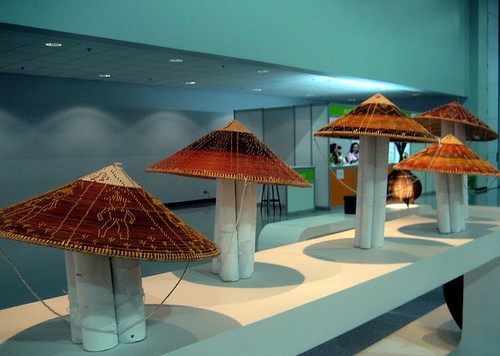
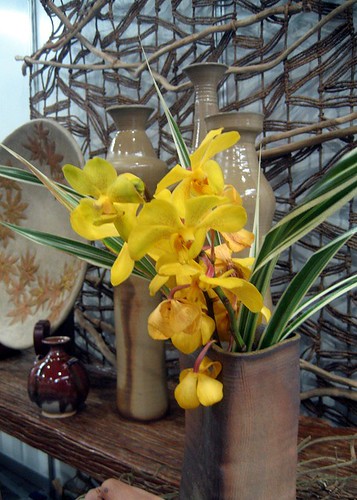
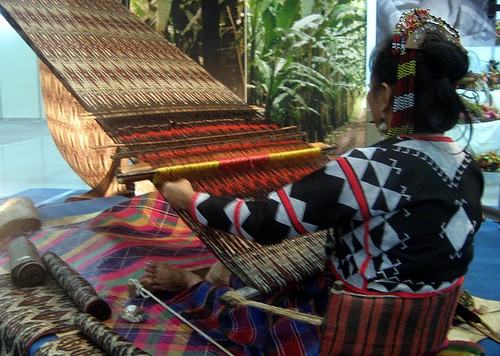
The 1st AHPADA International Arts & Crafts Expo was held over the weekend in SMX beside SM Mall of Asia.

The Department of Tourism, Department of Trade and Industry and the Department of Foreign Affairs have joined hands with Henry Sy’s SM Mall of Asia to usher the event headed by former Tourism Secretary Dr. Mina T. Gabor.


ASEAN Handicraft Promotion and Development Association (AHPADA) was formerly inaugurated in Jakarta in March of 1981 as a forum for both the government and private sectors concerned to meet and to complement each other in the promotion and development of arts and craft activities. Its mission is to preserve and improve the staturs of craftspeople within and outside the Asia Pacific region.

The founding members of AHPADA are Thailand, Malaysia, Philippines and Indonesia. Joining AHPADA in September 1999 were Singapore, Bruenei Darusalam, Camboadia, Lao PDR, Myanmar and Vietnam.

And to entertain the many visitors of this first AHPADA exposition, there were cultural performances presented by Thailand, Bangladesh, Sri Lanka, Indonesia and Malaysia. The National Commission for Culture and Arts produced the Philippine cultural presentation segment in which some of the participants were the Philippine Ballet Theater, Ramon Magsaysay Chorale, Quezon City Orchestra, Banda Kawayan, and Earthsavers Ensemble.


*

posted by Señor Enrique at 6:35 AM | 25 comments


Sunday, November 25, 2007

THE MANILA HISTORICAL & HERITAGE COMMISSION


The way Mayor Lim has envisioned it, the Manila Historical & Heritage Commission "shall document the built heritage resources of Manila and heritage districts; undertake efforts to increase and inculcate historical and cultural awareness, as well as pride of place in all sectors of the city, especially in barangays and in all levels of public and private school and universities."

The mayor also noted that "Manila is the only city that shows all the periods of our history -- the native, the Spanish and then the American." Hence the mayor believes that our legacies from the past have to be conserved. The MHHC is now spearheading the following projects: the refurbishing of the Army & Navy Club; the reopening of the Museo ng Maynila to the public; and the restoration of the Metropolitan Theater.

"Traditional values," the mayor also said, "have to be restored for the sake of our youth. They are in search for role models, for people to emulate so they have to learn about our heroes, those Filipinos who placed the interest of the country above their own."

The Chairperson of the Manila Historical & Heritage Commission is Carmen Guerrero-Nakpil, while her daughter Gemma Cruz-Araneta is a member of its Secretariat.


*

posted by Señor Enrique at 7:51 AM | 10 comments


Saturday, November 24, 2007

MUSEO NG MAYNILA IN THE OLD ARMY & NAVY CLUB


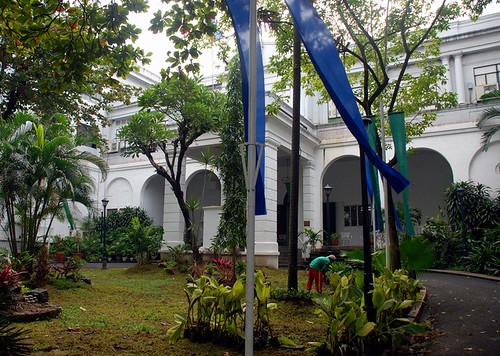
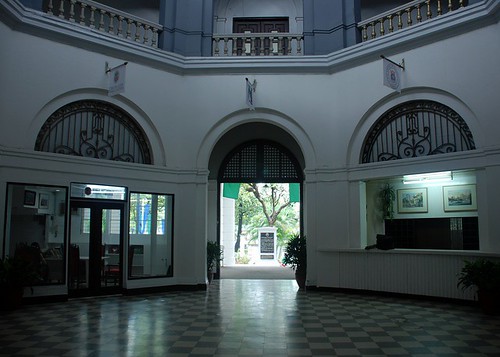
The Museo ng Maynila is housed inside the former Army and Navy Club building on the South Boulevard near the Quirino Grandstand in Luneta.

A brainchild of Manila Mayor Alfredo S. Lim, the museum's purpose is to create a center that promotes heritage consciousness for all Manilenyos, as well as serve as a repository for historical and cultural documents.

Manila's Army and Navy Club, on the other hand, was founded in 1898 and built on its present site in 1902 as part of architect Daniel Burnhams' urban plan in Manila. Its purpose was to provide a club for the American military officials stationed or visiting the Philippines; Admiral George Dewey was its first president. However, it wasn't without its own share of controversy.

An article in Time's October 10, 1927 issue revealed that the rangy, steel-grey, 52-year-old junior Senator from Connecticut, Hiram Bingham, claimed: " "I am, I believe, the only American representative of government who has ever refused to enter the doors of the Army & Navy Club in Manila."

The senator went on to say that when he was invited as guest of honor to a banquet in the Army & Navy Club of Manila, he had asked whether outstanding native politicians, such as President Manuel Quezon of the Philipine Senate or Senator Sergio Osmena, independence leader, would be present.

"Certainly not," snorted the Army & Navy Club of Manila, and proceeded to instruct the senator that no Filipinos (except, of course, servants) were admitted within the doors of the Army & Navy Club of Manila.

"Then I am sorry, gentlemen," replied the senator, "but I shall not be able to accept your invitation."

Supposedly, it wasn't until the time of the late President Marcos when the Filipinos were finally allowed entry into the club. In 1976, General E.V. Meim, PC, AFP was elected its president.

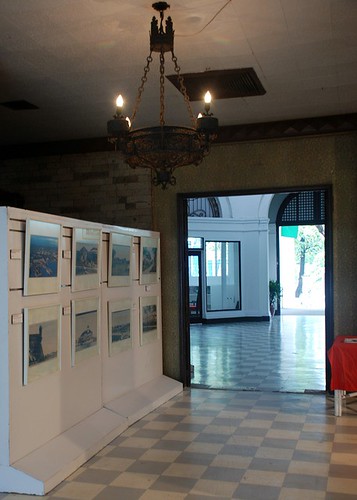
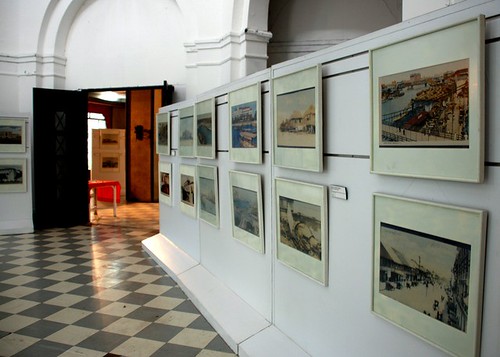
Currently, the Museo ng Maynila hosts an exhibition of late 19th and 20th Century picture postcards of the Philippines taken during the American colonial period. These photographs are regarded as valuable historical documents that reveal continuities and disjunctions in the archipelago's post-colonial experiences. These images captured scenes of Manila's streets, parks, churches, hotels, office buildings, school and universities; some still exist to date.

The photographs are from the Curt Teich Postcards Archives which have been donated to the Museo ng Maynila. These rare images of Manila have never been exhibited nor published in the Philippines.

The exhibition will be on display until December 28, 2007 and can be viewed every Monday to Friday, from 9:00 a.m. to 4:00 p.m.


Museo ng Maynila
South Boulevard, Ermita, Manila 1000
Telephone: 405-0135
Ma. Monina Santiago, Officer-In-Charge


*

posted by Señor Enrique at 9:41 AM | 33 comments


Friday, November 23, 2007

AT THE FORT WITH RIZAL'S NEPHEW


The young man reading the inscription on the floor inside the Jose Rizal Shrine in Fort Santiago is, in fact, Rizal's great great great grandnephew, or fifth generation nephew. I was tasked to document his first visit to the Rizal Shrine a couple of days ago.

I was told by his aunt that the young man's father (who recently passed away), had facial features which strikingly resembled those of Jose Rizal's. Nonetheless, out of courtesy I opted not to reveal this young man's name or publish a picture that showed him facing the camera.

You see, from what I understand, it is their family's tradition not to publicly discuss their kinship with the country's national hero. The most tragic episode stemming from which occurred during the Second World War when the Japanese Secret Police or
Kempeitai tried to round-up the members of Rizal's clan to serve in the occupying forces' propaganda campaigns. Those who were found and refused to cooperate were brutally tortured or used as bayonet thrusting practice, and then shot to death.

Many more family members would have suffered such ghastly fate had not the puppet president of the country during the Japanese Occupation, who also shared Rizal's bloodline, intervened on their behalf at the great risk of jeopardizing his own life.


But on a lighter note, throughout the whole time I spent taking pictures of this young man in Fort Santiago, I couldn't help but think about Manolo Quezon's tongue-in-cheek essay on Jose Rizal's possible illegitimate sons Adolf and Mao. Although I'm certain that most of you have already read or heard about it, nonetheless, I'm compelled to bring it up it once again, for it makes a delightful read.

Click here to read the complete essay.

Enjoy the weekend everyone!


*

posted by Señor Enrique at 7:26 AM | 26 comments


Thursday, November 22, 2007

MANILA'S VOLUNTEER FIREFIGHTERS


This ube-colored firetruck is owned by Gerry Chua, the man who made a fortune from those ube-flavored hopias that he sells at his family-owned store, Eng Bee Tin in Binondo.

It is manned by volunteers and
funded by private contributions, mostly from various Chinese business associations. This truck is one of several privately-owned and operated firetrucks stationed across the city. The goal is to provide Metro Manila with free expeditious firefighting response units to supplement the services provided by the official firefighters of the city.

So if you live within Metro Manila or know of anyone who does, please take note of this volunteer firefighters' hotline: 0918-688-8888

In case of a fire, send an SMS message: Type in Report (space) specific location of the fire, and send it to the above number.

Incidentally, this entry was inspired by an article emailed to me by our fellow blgger, Romy. Entitled Rapture 911. It is a disturbing look at America's growing industry -- private disaster response teams for a fee.


* * *

Update: November 30, 2007


At the commemoration ceremony of the 144th Birth Anniversary of Andres Bonifacio held at the Shrine of Bonifacio near City Hall, Mayor Alfredo S. Lim acknowledged our heroes of today -- the city's volunteer firemen. Standing with the mayor and Senator Manny Villar are some volunteer firefighters from the Association of Volunteer Fire Chiefs & Fire Fighters of the Philippines, Association of Philippine Fire Brigade, and Fire Brigades & Communication Groups, Inc.


*

posted by Señor Enrique at 5:06 AM | 28 comments


Tuesday, November 20, 2007

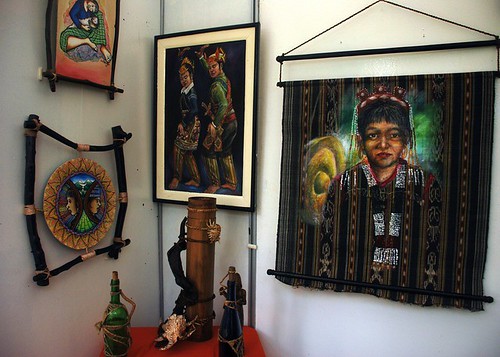
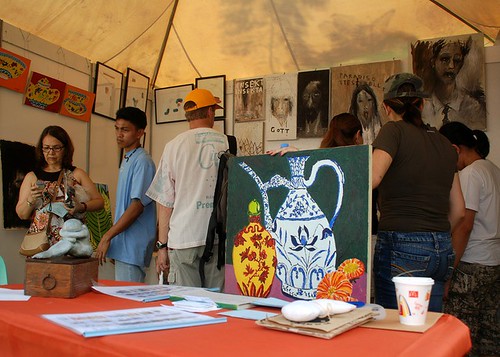
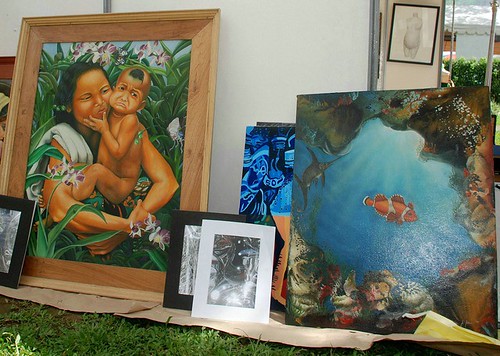
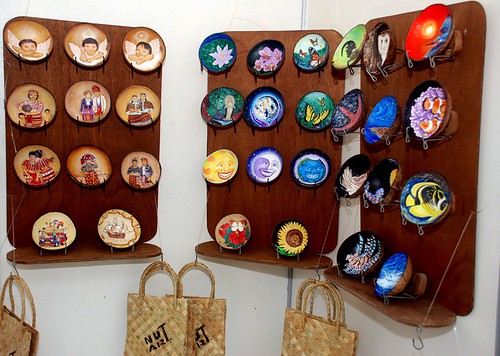
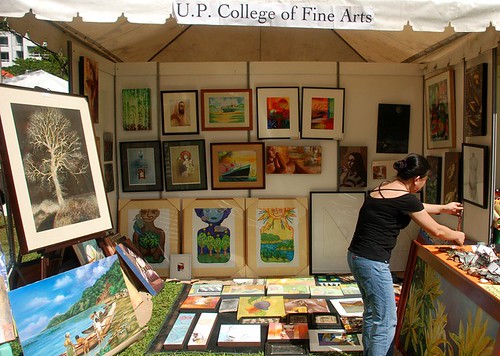
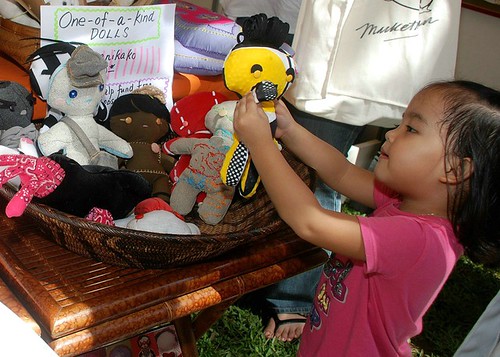
SCENES: ART IN THE PARK


* * *

Related Link: ART IN THE PARK


*

posted by Señor Enrique at 5:14 PM | 22 comments


CRISPA TEES


Almost always, when asked what I wanted from Manila, I'd excitedly say a Crispa T-shirt. Visiting friends and relatives would then be too happy to oblige because not only were these easy to throw into one's luggage, but quite affordable to boot. And once these folks arrived in New York, I couldn't wait for the customary beso-beso and small talk to be over with so they could dig in their pasalubong bags and hand over my much-awaited Crispa T-shirts.

Sadly, there came the day when I was told that Crispa had closed its store on Bustos Street near Santa Cruz Church, and that they've become hard to find.


When I came back to Manila, one of the very first things I did was search for this brand of T-shirts that I've worn throughout my teenage years. It took some tenacity, but imagine the smile on my face when I found them on the main floor of Isetann Department Store on Carriedo Street in Quiapo.

From what I understand, Crispa got more into producing for other fashion companies, while their own brand of T-shirts have been minimally marketed -- basically to serve a remaining, though ageing, die-hard customers.

So while friends and relatives appreciate those Banana Republic, Gap and Abercrombie & Fitch pasalubong T-shirts I gave them, I, on the other hand, will always be a nostalgic fool and remain loyal to my Crispas.


*

posted by Señor Enrique at 6:16 AM | 46 comments


Monday, November 19, 2007

KALAMANSI AND SALABAT


Whenever I suffered from severe coughing and sore throat when I was a child, my mother used to cut in half a couple of kalamansi to rub on my throat. Afterwards, she would wrap a handkerchief around my neck. An ample supply of kalamansi juice would also be made avaialable for me to drink the whole day.

These days, as an option, I also go for a mug of hot ginger brew or salabat. This can be made from scratch, or you can buy a bottle of its powderized form from the grocery and just mix a teaspoonful with a mug of piping hot water.

By the way, I might have already mentioned this once before: my brother Napoleon used salabat as an effective cure against vertigo. He suffered from which for many years, including bouts with blackout episodes. With the medical community unable to help him, he took the initiative to seek for alternative cures, which led led him to salabat. And ever since making it his primary beverage, he never again suffered from vertigo.


*

posted by Señor Enrique at 6:10 AM | 26 comments


Sunday, November 18, 2007

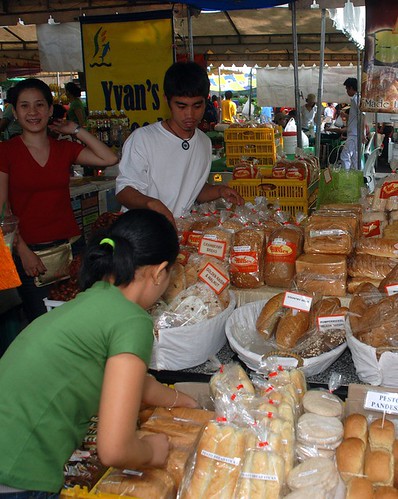
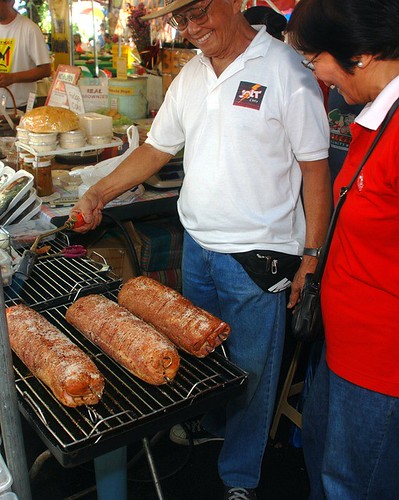
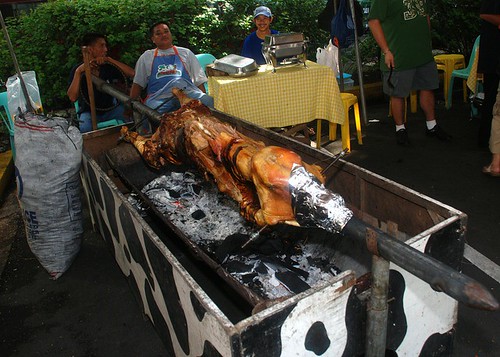
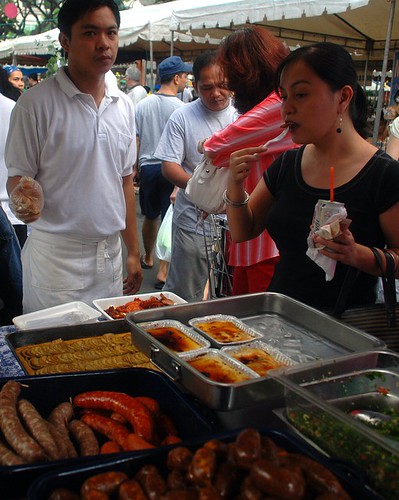
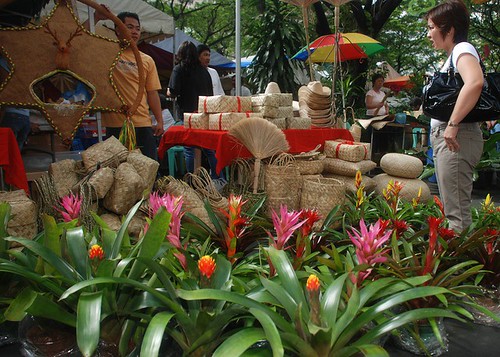
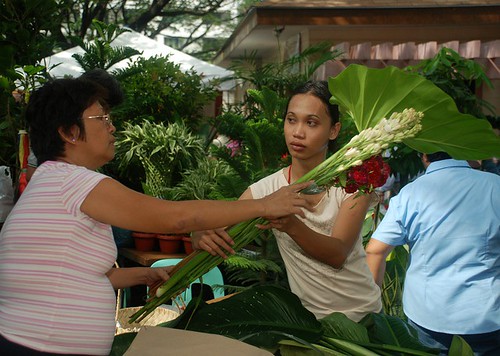
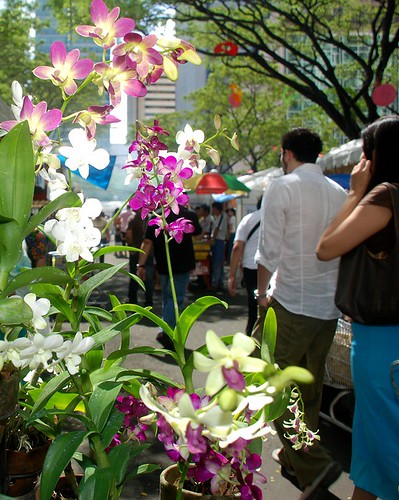
SATURDAY MORNING AT SALCEDO MARKET
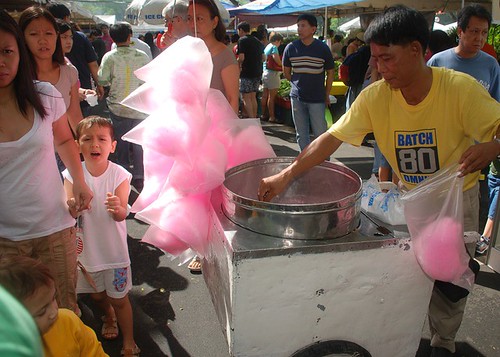

While Manila's street foods climb the greasy pole of respectability by gradually invading the malls' food courts with their cute franchised kiosks, the fancy packaged foodstuffs and nouvelle cuisine craved by those from the tony Makati enclaves, on the other hand, have taken to the street.

I knew about the Salcedo Market for quite some time now when a cousin invited me to join her one Saturday morning. She claimed it would somehow remind me of Manhattan's Union Square weekend farm market. However, at that time, I preferred checking out Manila's wet markets than spend time in a place reminiscent of New York. Don't get me wrong, I love New York, but I wanted a more typical Manila experience.

I finally did go to Salcedo Market for the first time yesterday. A writer from San Francisco's Philippine News asked me to take some photographs of some Fil-Ams she's writing an article about who came back home to become entrepreneurs. And according to these guys, Salcedo Market happens to be a profitable outlet for their products.

I'm glad I went. It proved to be a wonderful mouth-watering experience even though the prices are not any lower than I had expected. Be that as it may, the mix of offerings are simply delightful. The Vietnamese fresh rolls, lasagna, baked pastries and bread pudding from Bacolod that I got to taste were of fine quality and truly scrumptious. Most definitely I intend to return to try the others.








*

posted by Señor Enrique at 9:16 AM | 32 comments


Saturday, November 17, 2007

LA VIE EN ROSE


My best friend's father, Steven, was French-Hungarian who grew up in Paris. Luckily he was able to leave France for America with his brother just before the Nazis took over the country.

He was a fashion designer while still back in Paris and personally knew most of the fashion icons of that time -- from Yves St. Laurent to Balenciaga. In New York, he
thrived as a fashion accessories designer, and discovered the potentials of Geoffrey Beene and gave him his first break.

Immensely enjoying a carefree bon vivant lifestyle as a Manhattan bachelor, it wasn't until he was in his mid-fifties when he married my friend's mother, a fashion model from Chicago who was barely out of her teens at that time. The marriage turned out to be a tempestuous affair that ended in divorce; neither one remarried. My friend grew up dividing his time between two homes, but when school time came, off to boarding school he went.


What I remember most about Steven was his fondness to dine at some of Manhattan's fine restaurants, and oftentimes, my friend and I would be invited to join him. They would sometimes speak in French, especially when involved in some emotional repartee. Steven would also absentmindedly talk to me in French. I never learned to speak it despite their urging, but I somehow learned enough to understand the language so, it was quite all right with me that they conversed in French while I responded in English.

Nonetheless, after dinner one evening as we walked him back to his apartment, I admitted that I would love to learn to speak French even if only to sing Edith Piaf's LA Vie En Rose. Steven's eyes lit up and he began to talk about Piaf who was one of France's most beloved singers. We ended up going back to his apartment for I don't remember how many cups of coffee, but it was way beyond midnight when I went home.

Nonetheless , I didn't have the heart to tell Steven thereafter that although I respected Edith Piaf, it was only her La Vie En Rose that I will always love about her.

The lyrics of this beautiful song I've included below; whereas click
here to listen to it.


La Vie En Rose

Des yeux qui font baiser les miens,
Un rire qui se perd sur sa bouche,
Voila le portrait sans retouche
De l'homme auquel j'appartiens

Quand il me prend dans ses bras
Il me parle tout bas,
Je vois la vie en rose.

Il me dit des mots d'amour,
Des mots de tous les jours,
Et ca me fait quelque chose.

Il est entre dans mon coeur
Une part de bonheur
Dont je connais la cause.

C'est lui pour moi. Moi pour lui
Dans la vie,
Il me l'a dit, l'a jure pour la vie.

Et des que je l'apercois
Alors je sens en moi
Mon coeur qui bat

Des nuits d'amour a ne plus en finir
Un grand bonheur qui prend sa place
Des enuis des chagrins, des phases
Heureux, heureux a en mourir.

Quand il me prend dans ses bras
Il me parle tout bas,
Je vois la vie en rose.

Il me dit des mots d'amour,
Des mots de tous les jours,
Et ca me fait quelque chose.

Il est entre dans mon coeur
Une part de bonheur
Dont je connais la cause.

C'est toi pour moi. Moi pour toi
Dans la vie,
Il me l'a dit, l'a jure pour la vie.

Et des que je l'apercois
Alors je sens en moi
Mon coeur qui bat


* * *

posted by Señor Enrique at 6:53 AM | 16 comments


Friday, November 16, 2007

MANILA BULLETIN INTERVIEW


Now this may seem to be a shameless self-promotion, but please bear with me a second.

As many of you may already know, our fellow blogger Ajay is also a writer at Manila Bulletin, in which she covers the local blogging scene for her weekly column, Blog-O-Rama; it comes out every Monday.

And for its November 19th edition, she is featuring Wish You Were Here and her interview with me.


When asked what it is about blogging that I love and how I'm able to sustain it after all these years, I responded that blogging inspires me to keep learning and that's what I basically love about it. In addition, I said, "Much to my delight, my readers are incredibly sharp and fond of sharing their knowledge so, they make blogging an even more engrossing experience for me."

Unarguably, it is each and everyone of you who fire up my enthusiasm; hence this
upcoming Manila Bulletin feature is in many ways a recognition of and appreciation for all of you -- my blogger friends and readers, including those silent visitors -- who fuel my blogging energy each and every day.

A heartfelt thank you to all of you.

Maraming salamat po!


* * *


Update: November 19, 2007


The interview was published in today's edition of Manila Bulletin.

You may click here and download the scanned version courtesy of Pusa of Manila Daily Photo, or you may click here to read the online version of this Blog-O-Rama feature article by Ajay.

Many thanks y'all!


* * *

Many readers complain that Manila Bulletin's URL of the interview keeps changing. Hereby reposting the featured article:

Blog-O-Rama
Saturday, November 24, 2007
spacer


Manila, as seen from the eyes of Señor Enrique

Señor Enrique is Eric Isaac, a Pinoy IT professional who formerly lived in New York and has come back to Manila to bond with the birthplace he loves.

His affair with the city is depicted in his blog where he takes artistic snapshots of mundane matters and other facets of Manila we didn’t know about. Most often, the photos tell a thousand words and that has made him relate to a growing number of readers who are either homesick or connect with his experiences. He coined "Wish You Were Here" as if writing on a postcard, " to share with Stateside friends observations about life in Manila." As a bonus, his site garnered the hotly-contested Photoblog of the Year plum in the 2007 Philippine Blog Awards. Let’s get to know more about Senor Enrique in the following interview:

Q. How did you discover blogging? How did your blog come about? Why is it called "Wish You Were Here?"

A. I started blogging way back in the mid-’90s, but it was meant as a private journal amongst some of my colleagues and friends in the industry; I was then a senior systems engineer at an IT company that specializes in Internet infrastructure design and web hosting. We shared information on current and emerging technological trends, as well as personal updates on this one blog site.

"Wish You Were Here" I started during the latter part of 2005. My original intention was to use it as a medium wherein I could share with Stateside friends my observations about life in Manila. The title, pinched from one of Pink Floyd’s hits, I used as a standing invitation for them to come to Manila and visit me.

Eventually, the site began to attract some local and homesick Pinoy bloggers (expats living abroad) who became regular visitors. Incidentally, some friends from the States did fly over to visit me.

Q. What is it you love about blogging? How do you sustain your blogging after all these months and years?

A. Blogging inspires me to keep learning. Most of my readers, much to my delight, are incredibly sharp and fond of sharing their knowledge so, their fine attitude made blogging an even more engrossing preoccupation.

Manila has also gone through various transformations during my many years of absence, including the changes of street names, which made the city’s landscape seemingly foreign. I had lots of catching up to do, as well as getting myself reacquainted with the city’s multi-faceted charms -- landmarks, culture and history. And every time I make a new discovery, however trivial and mundane, I would always blog about it, which also appealed to many readers, especially those who used to live or visited Manila often.

Blogging also gives me the opportunity to be of service to others. A prime example of which was the article I posted about the brand of shoes I favored as a child, Ang Tibay Shoes, which made mention of the true rags-to-riches story of its founder, Toribio Teodoro. Subsequently, some of this man’s great grandchildren came across my article and introduced themselves in the comment box. The end result: they held a party to meet one another for the first time.

In another development, some of my features on Rizal Avenue in particular and Manila in general have become resource materials for some of the Ateneo’s anthropology students, as well as for human interest/lifestyle writers of our local broadsheets. Actually, I was hoping one of these writers would someday discover my Ang Tibay article because not only would it make a wonderful copy, but it will also showcase the power of blogging.

But the most poignant were those emails and comment postings from our OFWs who said they visit my site to assuage their homesickness, while others were appreciative of the way I present Manila which they could proudly share with their foreign friends.

Essentially, it is my readers -- both known and unknown -- that fuel my blogging energy. They all inspire me to constantly update the site, because much like merienda foodstuffs offered to guests, I must post new entries to make their every visit a pleasant experience.

Q. Design/visual appeal versus content: which is more important to you? How do you deftly combine the two?

A. Since I haven’t replaced or updated my site’s template for almost two years now, it may appear that I favor content over design. Not so, for the current template remains to serve my purpose.

I’m quite cognizant that my site is only one of the many that an average reader would visit on a given day; therefore, I have to present a site that is easy on the eyes and extremely navigable to boot. Moreover, besides the aesthetics of the template, text presentation is also an important element to keep in mind. This I learned from my early online experiences which predated the Internet. At that time, there were only bulletin board systems (or BBS) -- loosely organized and independently-operated. The dial-up modem available at that time was only clocking at no more than 50 kbps; thus a new style of writing came about in which brevity became de rigueur. To date, I see to it that my paragraphs contain fewer sentences compared to the usual paragraphs found in print publishing.

I also keep in mind that bloggers are mostly of above average intelligence; thus the overall aesthetics and content of my site must somehow appeal to their senses, which inspires me to constantly improve my writing and photography skills.

Q. Your opinion on blogging as a creative pursuit as opposed to a commercial one (earning money from blogging)?

A. I have nothing against earning money from one’s blog site, and I wouldn’t mind making money from my blogging efforts, either. Actually, I have some ideas for some articles and photo essays but they remain relegated on the back burner because they require a certain amount of money to produce. This is how such generated income would come in handy. However, my preference has always been to strike a lucrative deal with a corporate sponsor (with a global reach like Starbucks or Nikon). I’m just not fond of those Google ads that tend to litter a site.

Q. You write well and also take good photographs. What productivity and creativity tips can you share to other bloggers?

A. First and foremost is a desire to be of service to your readers; second is the enthusiasm to share your discoveries; and third is the appetite to keep on improving your skills. These are the primary elements to embody. And then simply trust the universe to provide you with rest -- ideas, decisive moments and various auspicious opportunities -- that you can share with your readers.

Q. Name a photography trick or technique you can’t do without.

A. I don’t leave home without, at least, taking along my point and shoot digital camera. That is because I never know when an opportunity might present itself that’s worth sharing with my readers.

As for doing street photography, I shoot first and ask for permission later. This is not meant to be discourteous; however, sometimes if you asked first, the subject will tend to pose for the camera which can only make you lose the charm that comes with candid shots. Of course, I don’t take any picture that would somehow compromise or embarrass a subject, but nonetheless, more often than not, the local Pinoys don’t like their pictures taken without them wearing a beatific smile while looking right at the camera. So a method I use as an option is to linger around the environment and take their pictures with their much-studied poses so as to appease them, and in between, look for and take those alluring decisive moment shots.

But nonetheless, I would recommend to any blogger who is also a budding photographer to check out the affordable workshops at FPPF (Federation of Philippine Photographers Foundation). This organization offers some of our finest local instructors such as Ador Pamintuan, Ed Yap and Ed Santiago (one of our country’s well-respected photojournalists).

Q. Can you name a few places you’d like to go to in the Philippines or outside the country because of their photographic value?

A. There are so many in-country, but I would love to someday document every barangay in Manila -- its points of interests and some of its colorful residents. As for outside of the Philippines, Antarctica has always fascinated me despite my aversion to cold weather. It is one destination that would make me jump up to pack my bags and jostle those standing in my way.

Q. One important lesson or lessons you’ve learned in blogging which you didn’t know when you were just starting.

A. That for your every regular visitor who posts a comment, there may be another hundred or so who regularly come to enjoy your site, but are much too shy to leave an imprint.

Q. Plans for your blog.

A. I’d like to keep focused on life in Manila, but expand it by featuring more of the city’s charming personalities -- both public and regular characters -- who give the city its unique sense of identity.

(For comments and inquiries, email annalyn.jusay@gmail.com)


* * *


posted by Señor Enrique at 6:41 AM | 50 comments


Thursday, November 15, 2007

TO DANCE ONE'S HEART OUT


"Learning to walk set you free. Learning to dance gives you the greatest freedom of all: to express with your whole self the person you are." - Melissa Hayden

* * *
STREET DANCERS
Aliwan Festival, Manila
Aperture: F5.6
Shutter: 10/600 sec
Focal Length: 168mm
ISO: 200
Flash: Yes


*

posted by Señor Enrique at 9:44 AM | 28 comments


Wednesday, November 14, 2007

ART IN THE PARK


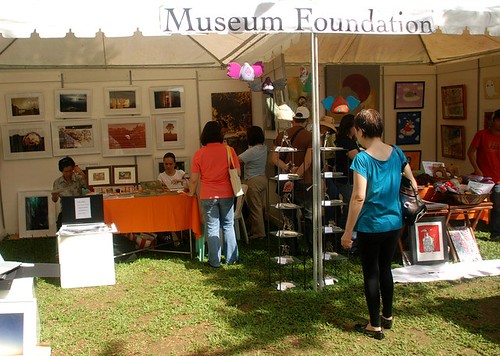
It is a free outdoor event intended to provide a venue for Filipino contemporary artists from various galleries, independent art collectives, and schools of fine arts to congregate, exhibit and sell their works in a fun and friendly atmosphere. All artworks such as paintings, prints, photographs, and sculptures will be tagged with affordable prices -- under P20,000.

Art in the Park will take place on Saturday, November 17, at Velasquez Park, Salcedo Village in Makati, from 8 a.m. to 3 p.m.

Several galleries and distinguished artists are participating, including 13 artists awardees such as Brenda Fajardo, Alfredo Esquillo, Karen Flores, Manny Garibay, and Mark Justiniani. Ilustrador ng Kabataan (INK), Art Informal and Nineveh Gallery will also be participating. Other artists expected to put their works on display are Mario de Rivera, Ral Arrogante, Lawrence Borsoto, and Anthony Palomo, as well as newer artists Joseph Banez and Jaspher Penuliar.

Collectors, enthusiasts and neophytes in art are all invited to enjoy this artful event. A jazz band led by Junji Lerma will provide the soundtrack to make it an even more wonderful Saturday in the park experience.

This bi-annual event
was envisioned by the members of Museum Foundation, an organization that raises funds and awareness for the National Museum and its network. The Museum Foundation committee members are Trickie Lopa, Lisa Periquet, Mailin Locsin, Tana Lopa, Pepper Roxas and Dindin Araneta. Its executive director is Tricia Limon, while Maribel Ongpin is president.


*

posted by Señor Enrique at 5:41 AM | 16 comments


Tuesday, November 13, 2007

ABALONE


This is the one and only abalone shell that I own. I got it during a trade fair in SM Megamall a couple of years ago. Abalone shells have a low and open spiral structure, as well as a row of respiratory holes near its outer edge. According to Wikipedia, the innermost layer of the shell is composed of mother-of-pearl, which in many species is highly iridescent, giving rise to a range of strong and changeable colors which make them ideal as ornamental art objects and as decorative inlays such as in guitars and fashion jewelries.

The shell is made of microscopic calcium carbonate tiles stacked like bricks; hence exceptionally strong. When struck, the tiles slide instead of shattering. That is because the clingy protein substance between the layers of tiles absorb the energy of the blow. Material scientists at the University of California, San Diego are studying the tiled structure for insight into stronger ceramic products such as body armor.

The meat of this mollusk is considered a delicacy in certain parts of Latin America (especially Chile), New Zealand, South East Asia, and East Asia (especially in China, Japan, and Korea). In Chinese speaking regions, abalone are commonly known as bao yu, and sometimes forms part of a Chinese banquet, Similar to shark fin soup, it is considered a symbol of wealth and prestige, and is traditionally reserved for special occasions such as weddings and other celebrations. However, commercial farming of abalone has allowed a more abundant supply of this once rare delicacy. I haven't tasted one yet, but would love to one of these days.


*

posted by Señor Enrique at 7:43 AM | 34 comments


Monday, November 12, 2007

GROUND RULE NO. 1


"Count your blessings. Once you realize how valuable you are and how much you have going for you, the smiles will return, the sun will break out, the music will play, and you will finally be able to move forward the life that God intended for you… with grace, strength, courage, and confidence." - Og Mandino


* * *

Read the other 16 ground rules for a better life by Og Mandino here


*

posted by Señor Enrique at 5:03 AM | 23 comments


Sunday, November 11, 2007

FOR MARIANET AMPER


"The desperation that Marianet felt is widedspread, and we all know that the same hopelessness is experienced by others," said Akbayan Youth Chairperson Marie Chris Cabreros as she and members of Akbayan Youth expressed their grief and indignation over the death of 12-year-old Mariana Amper who hanged herself after no longer able to live with the poverty that she and her younger brother had been subjected to since birth.

"We vow to fight for a better future for our generation and the generations to come. We simply cannot allow the status quo to continue," Cabreros claimed
today on the steps of Quezon Hall at the University of the Philippines' campus in Diliman. "Marianet's story reminds us not to allow ourselves to succumb to apathy," Cabreros added.


*

posted by Señor Enrique at 12:38 PM | 31 comments


Saturday, November 10, 2007

ON STILL LIFE AND MALATE'S STREET CHILDREN


This is one of the test shots I did last weekend for a study on still life imagery of living room stuff. I was one of five photographers asked by a photo magazine to participate in an article in which its editorial group will critique the pictures we have submitted. The goal is to help photography enthusiasts better understand the elements of still life or table top photography. The article is scheduled for its November issue.

Over in
Malate Catholic Church, on the other hand, is an interesting photo exhibit/fund raising event now going on until the 18th of November; proceeds from which will benefit the Remedios Training Center and the street children of Malate.

Here's the background on this endeavor:

The making of this project started when musician/voice talent Wam Molina approached the newly formed group of photo/camera enthusiasts who call themselves RFilipinas and brought up the idea of taking photographs of the Malate street children for a possible photo exhibit to be held at the Malate Catholic Parish to coincide with its fiesta in November 2007.


He had been toying with this idea since January. Being a musician, he had been performing at the Hobbit House and frequenting Penguin for years. He became familiar with the children of Malate. As a photo enthusiast, he had planned to do a series of photographs of the children’s feet. But he decided that he could help the children more if whatever he would do could generate money to contribute to the parish’s many children-focused projects.

The group he approached enthusiastically faced up to the challenge and within a span of more than four months visited Malate alone or in groups to take pictures of the children with their rangefinder cameras loaded with film. Rfilipinas is composed of Jay Javier, a professional photographer and teacher; Nelson Chan, an entrepreneur; Eddie Concepcion, a doctor who practices traditional Chinese acupuncture; Gari Buenavista, an artist; Rain Contreras, an IT professional; Uro Q. Dela Cruz, a TV/Film writer and director; Gabriel David, a journalist; Nor Domingo, a theatre actor. Luis Liwanag, an international photojournalist; his young son Akira Liwanag; Annie Neis, an IT professional based in Colorado who could not join the shoot sent black and white films for the project; Dr.Gerry Sabado, a surgeon; Eric Sales, a photographer; Marc Talampas, an engineer and educator and Andrea Zulueta, a hairdresser. A motley crowd from different walks of life, bound together by their respect for rangefinder cameras and film.

Wam later says, “I am very much overwhelmed with the support I got from my fellow RFilipinas members for this project.

This project has been an eye-opener for everyone, realizing the living conditions of not only the children of Malate but our less fortunate Filipino brothers and sisters in general. It has been a very humbling experience”


*

posted by Señor Enrique at 8:03 AM | 16 comments


Friday, November 09, 2007

UNCLE BOB'S TV SHOW


Seeing a bunch of children's slippers evokes fond childhood memories. Foremost is the word pamato, used to knock down the empty can of milk in the game called tumbang preso. Another was our playmate who lived next door whose parents were the first in the neighborhood to buy a television set. A group of us kids would take off our slippers and leave them by the front door as we huddled in front of the TV to watch the Uncle Bob's Lucky Seven Club on Channel 7 (now GMA-7 network).

Uncle Bob was Bob Stewart, an American who owned Channel 7. I've lost count of the number of times he had bid us all goodbye because of some guy in the government tried to kick him out of the country. Our group of playmates even created a farewell card for him and were thrilled when Uncle Bob held it in front of the camera and read our goodbye on the air. However, just like the previous times, Uncle Bob would somehow end up resolving his immigration dilemma and not have to leave at all.

Although Uncle Bob's TV station featured other wonderful programs for children like Eskuwelahang Munti, he may have not realized that his constant shedding of tears in front of the camera while saying goodbye was quite traumatizing for us kids. It was actually akin to watching a relative die a lingering death that stretched for decades. Anyway, it came to the point when we were all graduating from grade school and about ready to attend high school, yet there was Uncle Bob still going strong, though every now and then, would be once again teary-eyed and bidding everyone goodbye.

"So leave already!" a couple of childhood friends once yelled.

If I'm not mistaken, when I graduated from high school and left for New York, Uncle Bob was still around in Manila busily producing and starring in his afternoon TV show. Nonetheless, I sometimes wonder whatever became of him.


*

Labels:

posted by Señor Enrique at 10:09 AM | 34 comments


Thursday, November 08, 2007

APPLE A DAY


Whenever I wasn't feeling well when I was a child, I'd stay on my parents' bed for most of the day with a favorite toy or two. My father, before heading out for work, would then ask me what I'd want for him to bring back from near his office. This was how he'd gauge how bad I was feeling that morning. If I said none, that would mean I was feeling very ill and lack the appetite for anything.

On the other hand, if I were to ask for more special foodstuffs like those imported roasted cashews or grapes or open-faced turkey sandwich from Sam's Restaurant near Santa Cruz Church with bola-bola siopao thrown in, he'd be assured I was back to my old self. And surely, at the end of the day, he'd have all those goodies for me and the rest of the clan. When I mentioned this to my friends in New York when I got older, they said in jest that I should have instead asked for a trust fund, and a power of attorney just before I was fully recovered.

Nonetheless, on those days I asked nothing from my father, he'd always come home with some apples. One would be peeled and sliced, put in a small bowl, and placed near the bed for my easy reach. So until today, whenever I see some apples, I'd sometimes think of my father and remember how concerned he would get whenever I was feeling ill.

Now, according to Wikipedia, "research suggests that apples may reduce the risk of
colon cancer, prostate cancer and lung cancer. Like many fruits, apples contain Vitamin C as well as a host of other antioxidant compounds, which may reduce the risk of cancer by preventing DNA damage. The fibre content, while less than in most other fruits, helps regulate bowel movements and may thus reduce the risk of colon cancer. They may also help with heart disease, weight loss and controlling cholesterol, as they do not have any cholesterol, have fibre (which reduces cholesterol by preventing reabsorption), and are bulky for their caloric content like most fruits and vegetables."

Hence there must be some truth in the old adage, "an apple a day, keeps the doctor away."


*

posted by Señor Enrique at 7:46 AM | 32 comments


Wednesday, November 07, 2007

TRAVELS TO SUBIC


When we were young, my parents would sometimes entrust a group of us kids -- me and my siblings and cousins -- with the driver and conductor of the bus that would take us to my Tia Isabel's house in Subic. They would be given instructions on exactly where to drop us off, and since we were a bunch of well-behaved kids and Tia Isabel's house was right along the highway, the driver and conductor never had any problem with us.

However, our parents would urge us not to drink too much liquid before and during the trip so we wouldn't yell isbo quite often, in which case the driver would have to stop near some clearing to allow us to get off the bus and relieve ourselves.


And if our parents couldn't come to Subic to bring us back to the city, it would be the same deal on our way back. My Tia Isabel would just flag down a Manila bound bus and while ushering us aboard, she'd give both the driver and conductor instructions as to whom we should be handed over to once we arrived in the bus terminal in Manila.

The striking difference between these trips would always be the bag of snacks our aunt would prepare for our trip -- it would always be filled with boiled eggs. No one wanted boiled eggs. We craved for those boiled saba bananas or the sweet coconut delicacies that vendors in Pampanga would sell. But so as our mother wouldn't get upset to find a bagful of boiled eggs uneaten during the trip, my brother would give it the bus driver and conductor as a token of my aunt's appreciation for watching over us during the trip.


*

posted by Señor Enrique at 8:11 AM | 24 comments


Tuesday, November 06, 2007

MY NIGERIAN MISTRESS


Or so I wish. She was born in Ibadan, Ọyọ State, Nigeria. Her parents, Bisi Adu, a Nigerian lecturer in economics of Yoruba background, and Anne Hayes, an English nurse, met in London and moved to west Africa. She was a voracious reader while growing up and favored listening to the music of soul artists like Curtis Mayfield, Donny Hathaway and Marvin Gaye. When her parents' marriage went afoul, the mother brought her and her brother back to England.

She studied fashion design at St. Martin's College in London and upon graduating, she established a small company with a friend making men's clothes. She also cultivated a great interest in dance and as a print model, but it was in the field of music where she was to attain great fame and fortune. Smooth Operator became her first US hit.

I finally saw her perform live at Radio City Music Hall one summer. Her sultry voice, sensuous dance moves and beguiling stage presence transported me to the realm of angels that evening.

Sade, may she live forever.


*

posted by Señor Enrique at 7:47 AM | 20 comments


Monday, November 05, 2007

JAPAN'S RYUICHI SAKAMOTO


He's unable to walk the street of Tokyo without being mobbed by fans so he made New York his home. Once regarded as the leader of the '70s techno-pop band Yellow Magic Orchestra, Japan's answer to Germany's Kraftwerk, he has since made a career for himself by playing everything from techno to light classical to bossa nova to opera. The more than 60 albums he recorded in various genres have made him a headache for many record shop stock clerks.

The original score he-composed for Bernardo Bertolucci's
The Last Emperor won him both a Grammy and an Oscar, while the instrumental theme he created for David Bowie's film, Merry Christmas Mr. Lawrence, earned him critical acclaim. Although he co-starred in both films, he couldn't stand to look at his own image in those characters he played.

His solo piano composition Energy Flow was a million-selling No. 1 hit in Japan. There were also his albums made in homage to late Brazilian bossa nova master Antonio Carlos Jobim, which critics raved about.

Ryuichi Sakamoto continues as a prolific recording artist.


*

posted by Señor Enrique at 9:41 AM | 8 comments


Sunday, November 04, 2007

A LAZY SUNDAY


I planned on getting a haircut right after lunch this Sunday. A really short one is how I'd like it done so, before heading out I decided to go through a back issue of Vanity Fair. I was hoping there'd be a picture in it of a guy whose short hair style I could just show to the barber. This way, I'd spare myself the trouble of giving instruction, though simple, some would still find too convoluted to follow anyway.

Vanity Fair certainly has fine writers and great stories that before realizing it, the article, City of Fear, caught my attention and got engrossed by it. It's about the shutting down of Brazil's largest city, Sao Paulo. Operating by cell phone, a highly organized and secretive prison gang, Primeiro Commando de Capital, or P.C.C., launched a series of seemingly amorphous attacks last year in May. The authorities found themselves powerless to contain this volatile situation that went on for days. For many in Sao Paulo, this vast criminal network is the only government they have. Its leader, Marcos Camacho, operates from inside one of Brazil's brutally violent penitentiaries. He is an intelligent and careful student of Sun Tzu's Art of War.

Over the first two days, the attacks which occurred in irregular waves, without discernible patterns, forced the police -- highly despised in Sao Paolo for corruption and brutality -- to retreat and abandon their posts, but only to be ambushed in the open.
More than 40 police officers and prison guards were killed; several were wounded. Many passersby were caught in the crossfire and died. The police struck back with death squads and uniformed agents against the residents of the slums. At the end of the week, at least 450 of the city's poor were killed, many with execution-style shots in the head. The state disputed the figures and claimed only 100.

Most of the gang's leaders expressed little fear for punishment, for most are already languishing in jails. In the end, the authorities conceded to a singular demand for 60 flat-screen televisions. They were for the incarcerated gang members' enhanced viewing of the upcoming World Cup soccer matches. Such petty purpose cannot explain the madness -- an orchestrated, though shapeless, crippling assault on an entire city -- but it did highlight the gang's strength and ability to inflict a measured blow against the country's rule of law

Now, for those folks who think Manila is a dangerous place and its poverty-stricken areas nothing more than breeding grounds for criminal minds, they ought to check out Sao Paulo's. Its densely populated slums turned this global business center into an archipelago of little fortresses for the rich. God forbid a similar nefarious network should emerge in Manila.
Nonetheless, stories like this one makes me appreciate even more the city of my birth.

It's quite a long article by William Langewiesche that by the time I finished reading it, I succumbed to a nap. However, upon waking, I felt too lazy to go out for a haircut. Maybe tomorrow.


*

posted by Señor Enrique at 6:22 PM | 16 comments


Saturday, November 03, 2007

ON UNCONDITIONAL LOVE


I knew someday that you would fly away
For love's the greatest healer to be found
So leave me if you need to
I will still remember
Angel flying too close to the ground
Fly on past the speed of sound
I'd rather see you up
Than see you down


Ever had one of those days in which an old tune permeated your consciousness? Well, for the past two days, I couldn't seem to shake off
Angel Flying Too Close to the Ground, by Willie Nelson.

Both the song's melody and lyrics, though seemingly simplistic at first, can be quite empowering, especially for the subject of this exalting sentiment. Nonetheless, it takes someone who has experienced or embodied unconditional love to appreciate the healing power of this song.


* * *
Molave wood sculpture by Romeo Factor
Contreras Sculptures


*

posted by Señor Enrique at 6:56 AM | 14 comments


Thursday, November 01, 2007

FOR THE DAY OF THE DEAD


Today is All Soul's Day in Manila; Day of the Dead as it is known in some parts of the world. It's is a Roman Catholic day of remembrance for deceased friends and loved ones; a tradition attributed to the ancient Pagan Festival of the Dead.

Back in those days, it was believed that the souls of loved ones who had passed away would return for a meal with the family on this particular day. Thus candles were placed in the window sills or door steps so as to guide their souls back home. A place was set at the table for them. Children would knock on the doors of the village houses to ask for food to be offered symbolically to the dead, but then donated to feed the hungry.

Here at home, I filled the table with fruits just in case some relatives and friends who had departed, including those other spirits on their way to visit their loved ones.


*

posted by Señor Enrique at 9:38 AM | 20 comments


Life in Manila as observed by a former New Yorker who with a laptop and camera has reinvented himself as a storyteller. Winner of the PHILIPPINE BLOG AWARDS: Best Photo Blog in 2007 and three Best Single Post awards in 2008.


About Me

Name: Señor Enrique
Location: Manila, Philippines

View my complete profile

Links


www.flickr.com
This is a Flickr badge showing photos in a set called Flickr Badge. Make your own badge here.
 
 
Señor Enrique Home
Designed by The Dubai Chronicles.
All rights and lefts reserved.